Get to know the person.
Their interests, strengths and preferences matter. So do the things that make an ordinary day harder. Your knowledge of your young person helps us find a starting point.
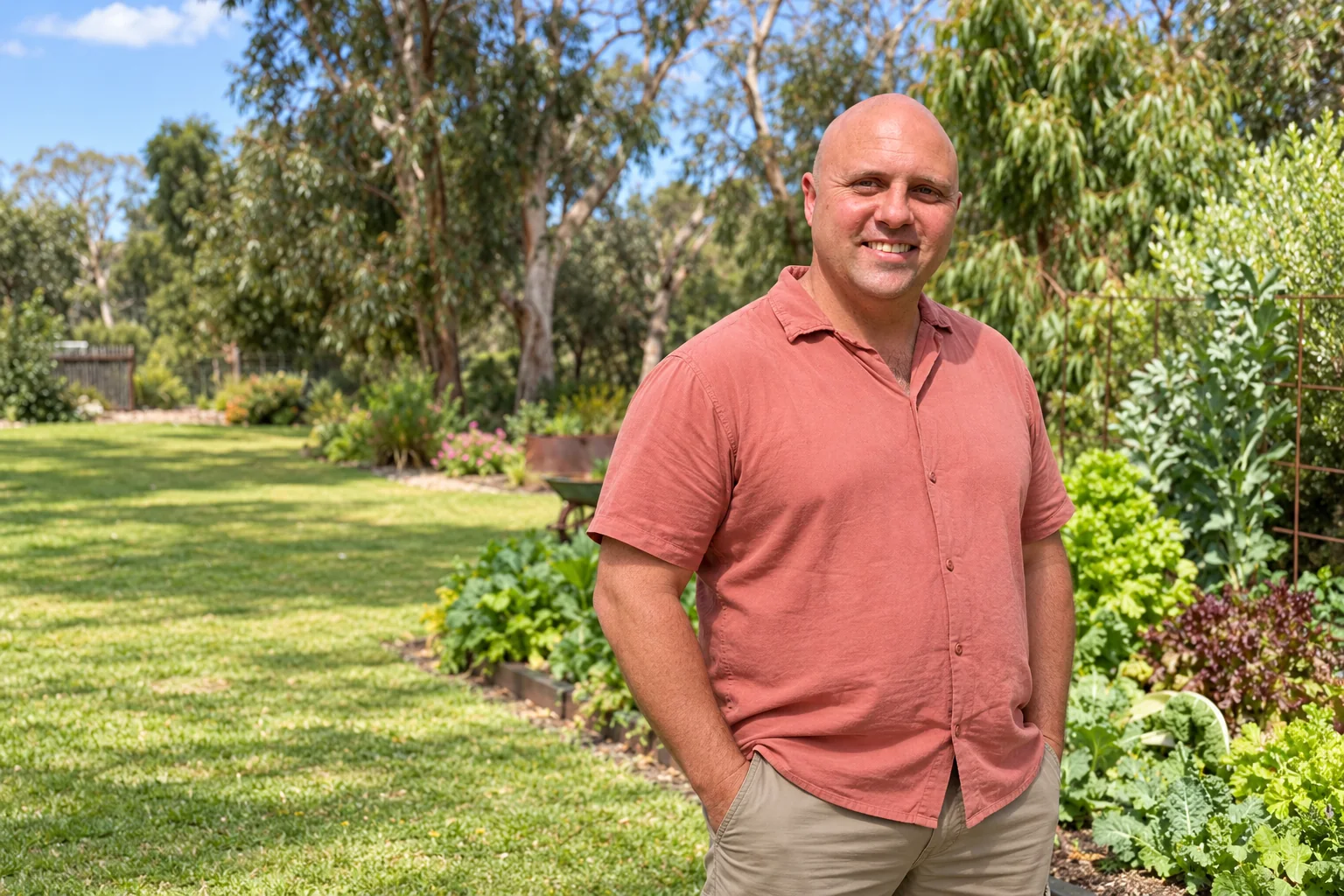
How Alex approaches support & mentoring
Warmth, humour and clear expectations. Time to build trust, with a longer view of what your young person can grow into.
The relationship comes first
A young person needs time to get to know someone new. I start by listening, noticing what interests them and finding something we can enjoy together.
As familiarity grows, there is room to try a little more: make a choice, take on a task, work through a difficulty or ask for help.
Their interests, strengths and preferences matter. So do the things that make an ordinary day harder. Your knowledge of your young person helps us find a starting point.
Enjoyment and humour have a place. So do a calm pace, clear expectations and noticing when it’s time for a breather.
Offer a manageable next step, then give them space to try. Support might mean a prompt, doing part of a task together or stepping back when they’re ready.
Keep parents in the picture. Share practical observations, listen to what you’re noticing and adjust when something isn’t working.
Think beyond the activity
Check in about how things are going, what’s planned and anything useful to keep in mind.
Make room for enjoyment and effort. Notice when to slow down, change direction or take a break.
Think about the transition back to family life, rather than only the activity itself. Leave room for a clear handover.
The longer view
Progress can be small and uneven. It might be joining in more readily, making a choice with less prompting or returning to a task after a break.
We talk about what matters to your young person and your family, then pay attention to what is useful in everyday life.
Questions worth returning to
Tell me about your young person. We can work out whether we’re a good fit.